
The main thing to remember
- Reduce friction, traction and heat to limit further stress.
- A treatment can improve touch; a toner responds to a reflection problem.
- The history and condition of the lengths guide the choice of the next appointment.
After bleaching: four steps to protect the lengths
The American Academy of Dermatology recommends these maintenance actions to limit damage related to washing and styling habits.
- Apply the shampoo to the scalp, massaging gently; When rinsing, let it flow over the lengths without rubbing them.
- Use conditioner after each wash, following the product instructions. Then absorb the water with a towel, without friction.
- Detangle without pulling with a wide-toothed comb. On straight hair, let dry a little; on textured or very curly hair, detangle damp.
- Limit the frequency of heating appliances and choose low heat when using them.
Three questions to read a promise of repair
| Question | What to look for |
|---|---|
| What effect is announced? | Touch, disentangling, appearance or breakage measurement: these results are distinct. |
| What product does the evidence relate to? | The exact formula and tested protocol, not just the word “keratin” or “botox”. |
| Under what conditions? | Method, styling, duration and comparison when available. |
What the salon images show
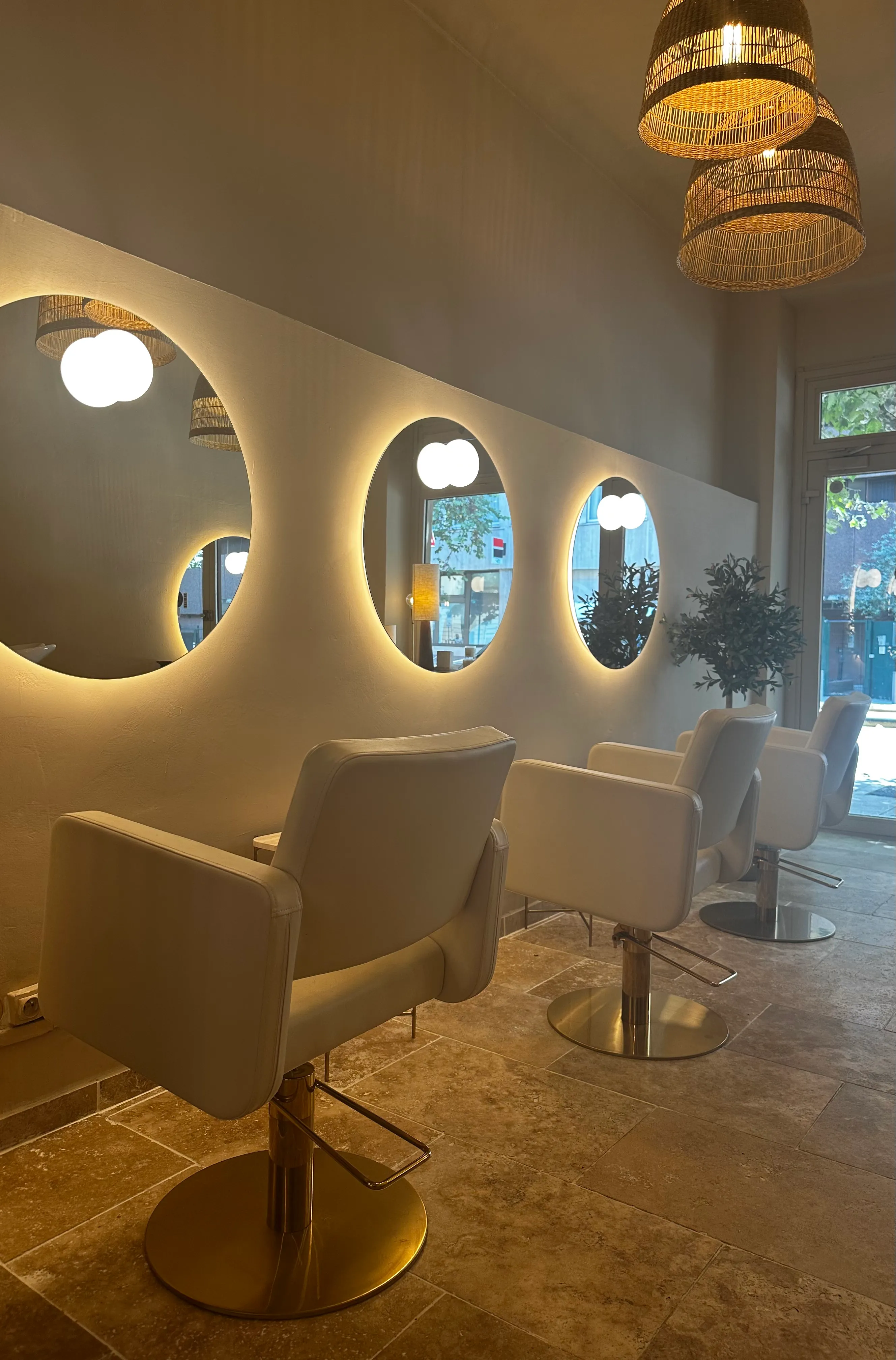
Pure Beauté publishes a before/after Pure Botox and individual views after care and styling. These photos do not document a definitive restoration of the fiber nor identical follow-up after washing. They help to discuss the expected result at the salon.
Take care of the hair before seeking a transformation
The AAD reminds that coloring, lightening and other treatments can weaken the hair. If your project involves a new technique, indicate your previous treatments: the decision depends on their history and the current state of the lengths.
Treatment and color are two related decisions, but the choice of treatment does not constitute authorization to continue lightening. A less clear objective or several steps can be discussed at the salon.
Prepare a useful exchange
- Indicate the date of discoloration and that of previous colors, toner or smoothing.
- Bring the names of the products used and recent photos of the roots, lengths and ends, in natural light.
- Describe separately what bothers you: breakage, untangling, touch or reflection.
- Specify the desired outcome and ask what is possible now or needs to be delayed.
When to seek medical advice?
Unusual shedding, sparse areas or a problem that persists warrants dermatological advice. The salon does not replace this medical evaluation.
What to do now?
You know what you need
Go directly to the service, range or product corresponding to your needs.
Describe my hair and my project at the salonYou still hesitate
First clarify your situation in order to avoid an unsuitable service or unnecessary products.
Adapt length maintenanceAdditional advice
Continue with the resource closest to the problem you have just identified.
Return to care guideTake the next step
For a home routine, the questionnaire can guide you. For color, straightening or weakened lengths, describe your project to the salon before booking.